What a residential move's logistics actually look like
A typical residential move follows a simple pattern: one crew, usually booked on a weekend, working through a straightforward inventory of furniture, boxes, and household goods. The equipment is general-purpose. There's no freight elevator to reserve, no property manager to coordinate with, and no confidential files or server racks to account for. The crew that runs the walkthrough may not be the crew that shows up on moving day, because scheduling flexes around whichever team is free that weekend.
What an office-only move's logistics actually look like
An office relocation runs on a different set of logistics entirely. Building access gets scheduled around freight elevator reservations and loading dock windows that the property manager controls, not the mover. Work often happens after hours or over a weekend specifically to avoid disrupting the business during operating hours. The inventory includes systems furniture that has to be disassembled and reassembled correctly, server and IT equipment that needs specific handling protocols, and confidential documents that require chain-of-custody care, not just a box and a marker. And the crew that runs the walkthrough is the same crew that shows up on moving day, because that continuity is what keeps building access, elevator scheduling, and after-hours sign-off running smoothly across a multi-day or multi-phase project.
Most "specialized" movers still aren't
Search for office movers in Columbus and nearly every result says some version of the same thing: look for a company with a dedicated commercial division. That's fair advice. It just doesn't go far enough.
A dedicated division still sits inside a residential moving company. The trucks get scheduled against Saturday apartment moves. The crews get trained on both a bedroom dresser and a server rack, and split their week between the two. The company's reputation, reviews, and marketing budget are built primarily on households, with office work as the add-on line of business.
None of that makes a company bad at moving offices. It does mean office relocation is competing internally for the same trucks, the same crews, and the same dispatcher's attention as everything else on the schedule.
What this means for your move
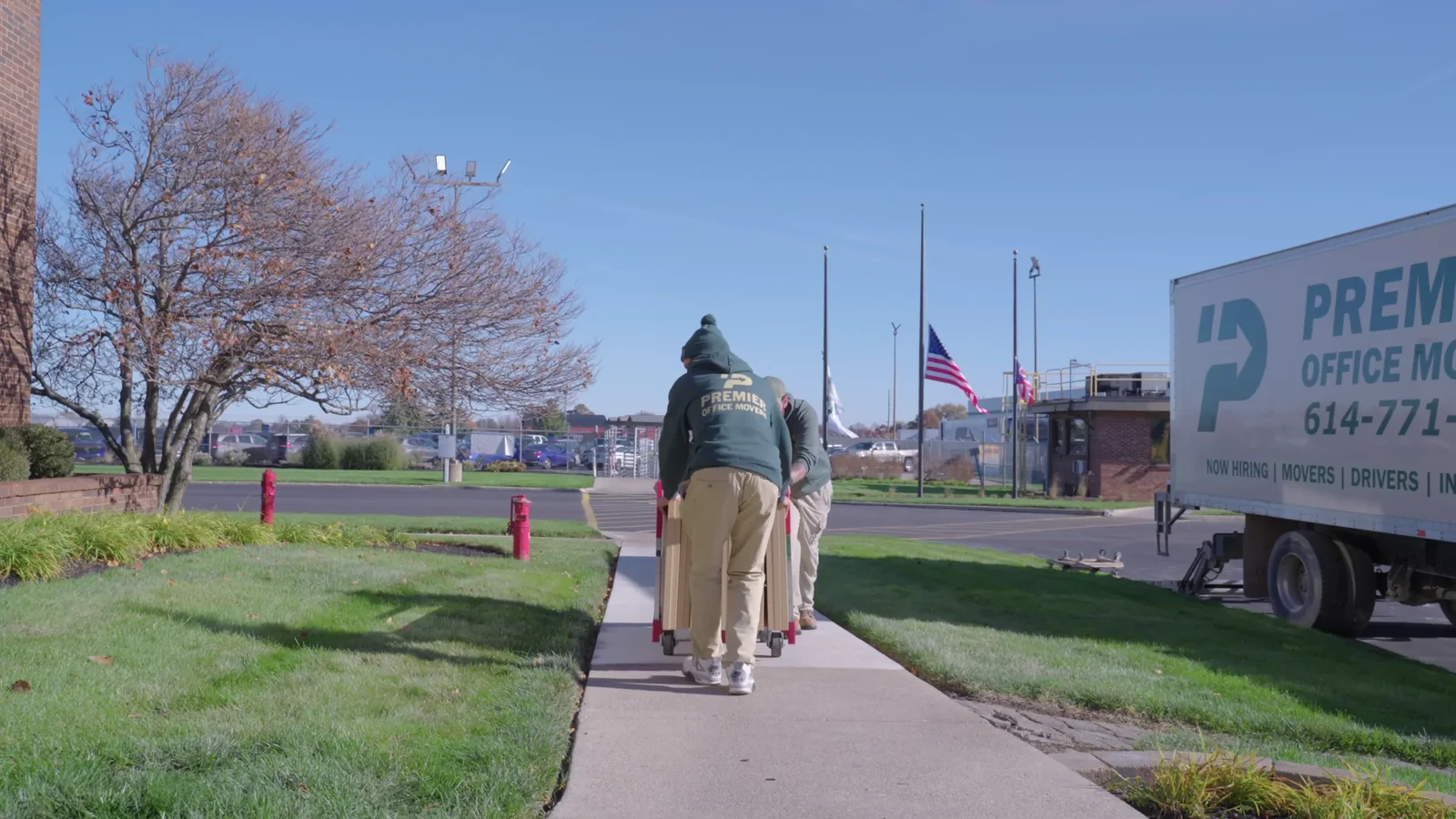
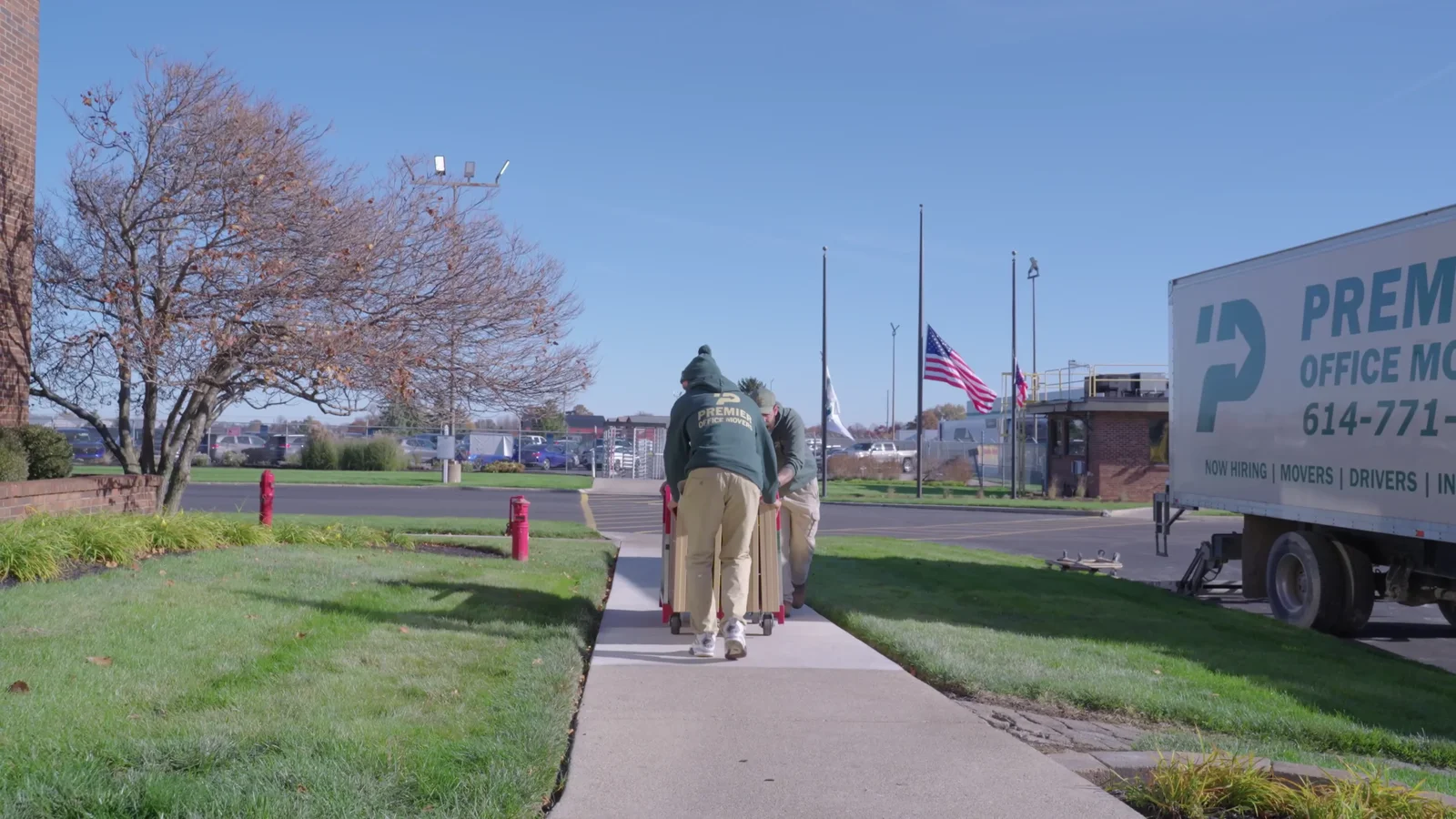
Premier Office Movers has done one thing since 2003: move Columbus-area businesses. No household goods, no residential division, nothing splitting the schedule between a Tuesday office job and a Saturday apartment move. Every crew member trains exclusively on office relocation, so the logistics described above aren't an occasional exception. They're the only kind of move the company runs.
Why this matters more in Columbus specifically
Columbus's office market is a mix of downtown high-rises with strict freight elevator and loading dock rules, and suburban office parks in Dublin, Westerville, Grove City, and Hilliard with their own building-management requirements. A mover that's mostly booking residential jobs doesn't build the same relationships with property managers across those buildings that a company doing nothing but office moves does, week after week, building after building.
The real question to ask a mover
Not "do you handle offices?" Almost everyone will say yes. Ask instead: What percentage of your moves are commercial versus residential? How does your crew train differently for an office move versus a household move? Who handles building coordination, and is it someone doing this daily or occasionally?
The answers separate a mover with a commercial division from a mover built around commercial work.